
The science
What is Compostable Bioplastic?
The Plastic Persistence Problem
Conventional plastics can take hundreds to thousands of years to break down. They don't disappear — they fragment into microplastics that enter our food chain, water, and soil.
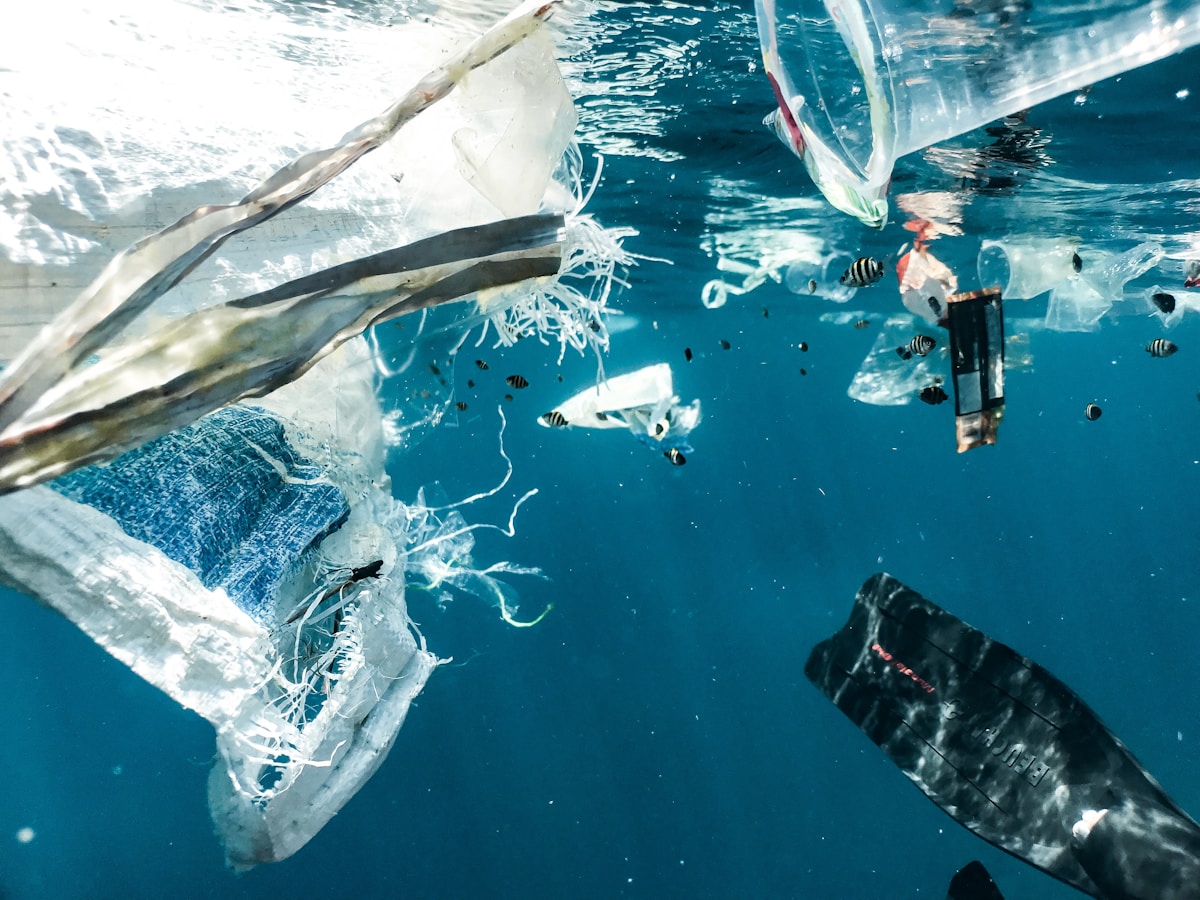
Biodegradable vs Compostable
The terms sound similar but mean very different things in practice.
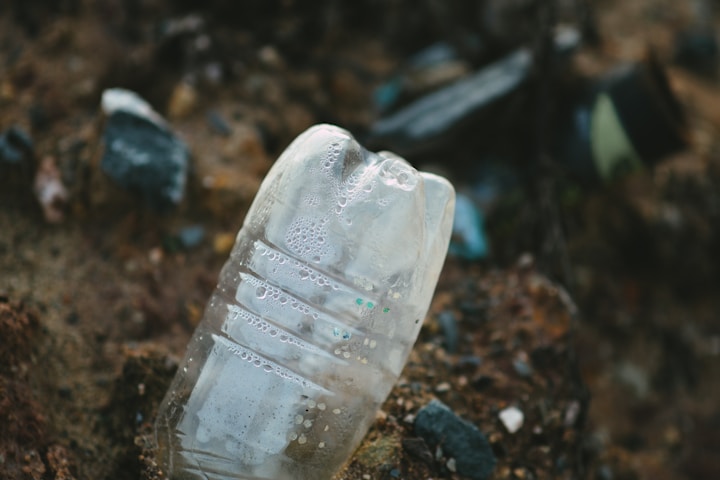
Biodegradable
No timeframe guarantee
Breaks down eventually but no specific timeframe is required. May leave residue, including microplastic fragments.
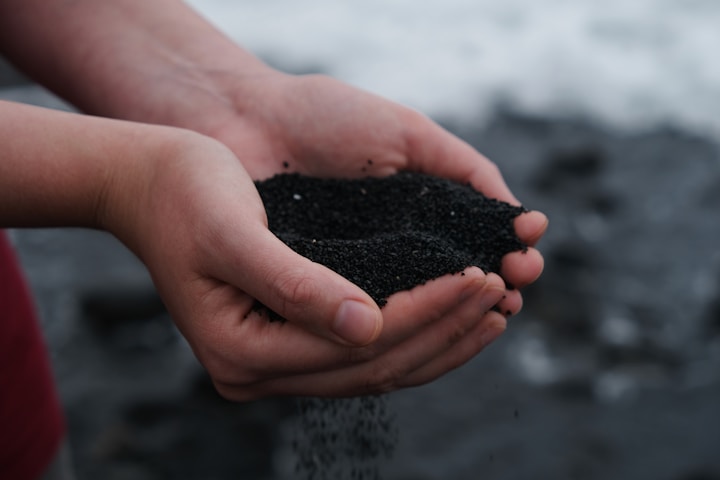
EarthyaCompostable
90–180 day certified breakdown
Certified to break down within a specific timeframe into CO₂, water, and biomass with zero harmful residue. Requires composting conditions.
A Closed-Loop System
From raw material to soil enrichment — Earthya completes the cycle.
Product in use
Functions like conventional plastic
End of life
Sent to compost stream
Composting
Microbial breakdown begins
CO₂ + water + biomass
Within 90–180 days
Soil enrichment
Adds organic matter
Back to agriculture
Closes the loop
The Science
Compostable plastics have the potential to break down within 90–180 days given sufficient humidity, oxygen, and microorganisms.