
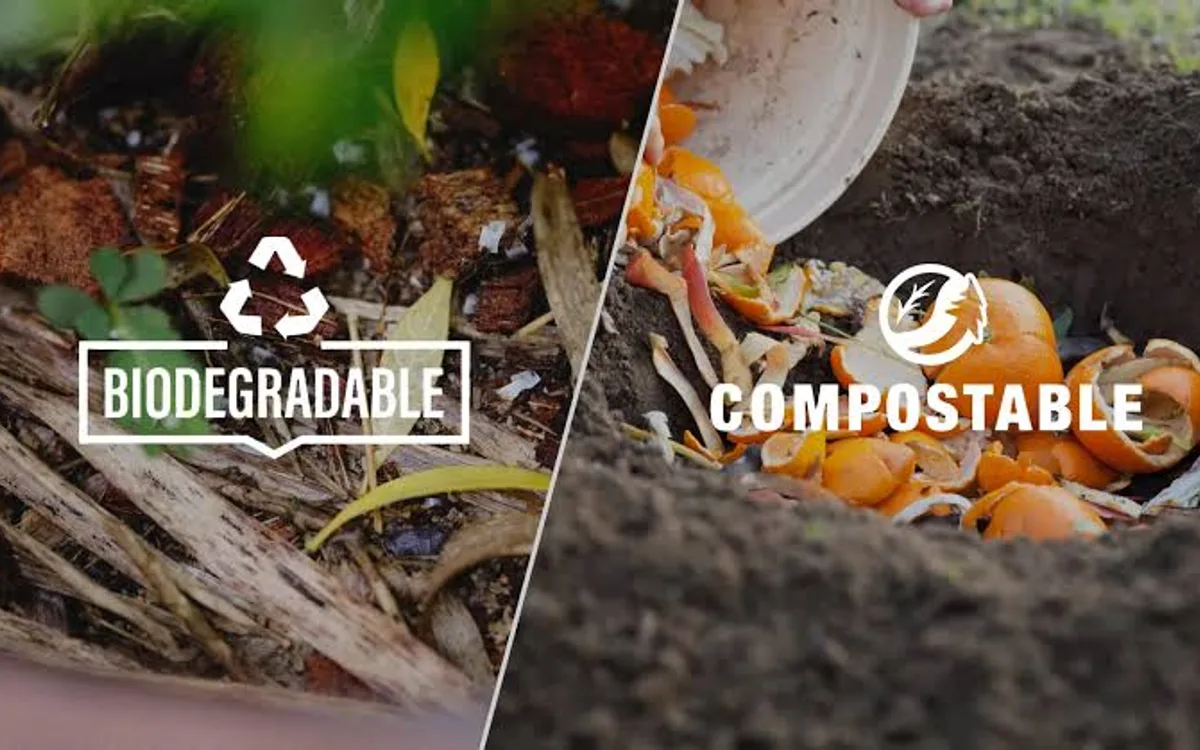
"Biodegradable" and "compostable" get used interchangeably in marketing copy, but they describe two different — and unequally regulated — claims. For a manufacturer sourcing materials for regulated markets, that difference determines whether your packaging clears customs, passes an audit, or gets flagged as greenwashing.
Biodegradable: no timeframe, no guarantee
A material labelled biodegradable will, in theory, break down eventually — but "eventually" is doing a lot of work in that sentence. There is no standardised timeframe requirement behind the term, and no requirement that the breakdown leaves zero residue. In practice, this is how conventional plastics marketed as biodegradable end up fragmenting into microplastics rather than fully decomposing.
Compostable: certified, timed, and residue-free
Compostable is a certified claim, tested against defined standards — TÜV Austria's OK Compost (home and industrial), BPI in the US, SIRIM Eco Label in Malaysia, and ABA in Australia. Certification requires the material to break down within a specified window under defined composting conditions, into carbon dioxide, water, and biomass, with no toxic residue and no persistent fragments.
- Earthya is certified to break down within 90–180 days under home or industrial composting conditions.
- Certification is batch-tested, not a one-time claim — the compound is re-verified against the standard, not just labelled once.
- Zero microplastic residue is a certification requirement, not a marketing line.
Why this matters for procurement
Regulators are increasingly writing "compostable" — not "biodegradable" — into law. The EU's Single-Use Plastics Directive and incoming Packaging & Packaging Waste Regulation both lean on certified compostability standards. Malaysia's Roadmap Towards Zero Single-Use Plastics follows the same direction. If your supply chain is built on an uncertified "biodegradable" claim, you're exposed the moment a regulator or a buyer's compliance team asks for documentation.