
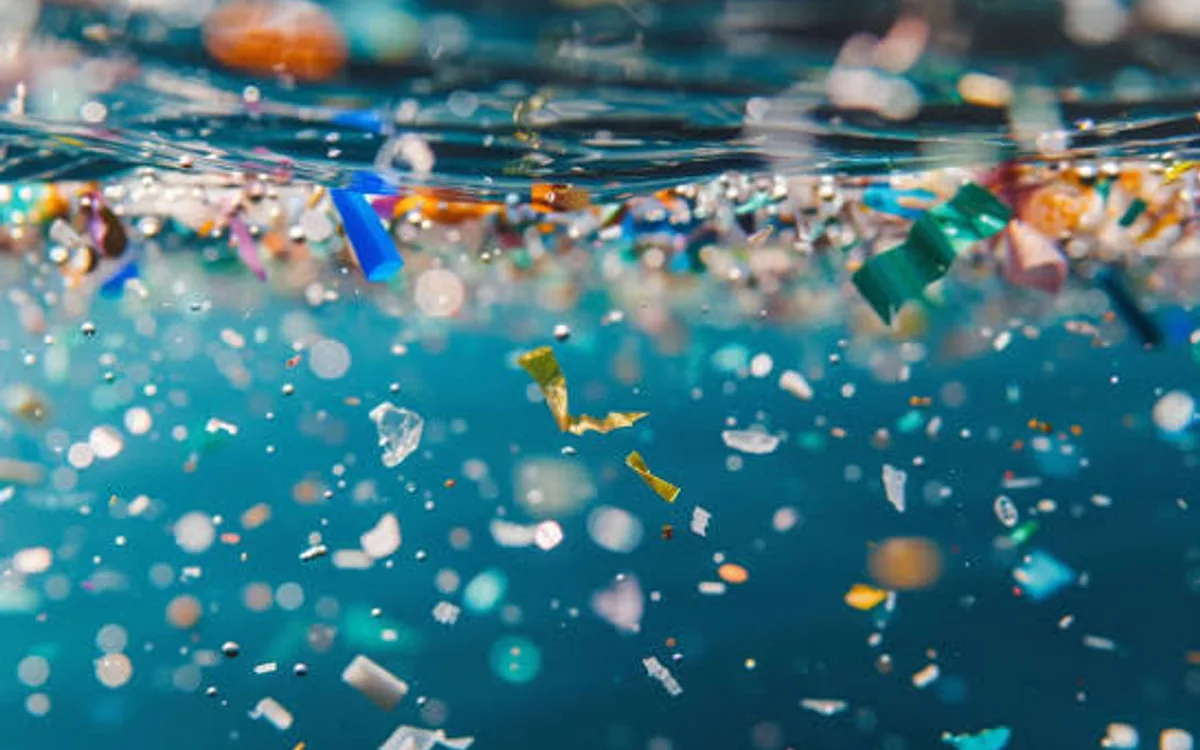
Conventional plastic packaging doesn't disappear at end of life — it fragments. PE and PP break down into progressively smaller pieces that persist in soil and waterways as microplastics, rather than fully decomposing. That's a liability that used to sit quietly at the end of the supply chain. It doesn't anymore.
Why the liability is moving upstream
Buyers with ESG reporting obligations are now asking suppliers directly about end-of-life material behaviour, not just recyclability on paper. Regulators writing packaging law increasingly reference microplastic contamination specifically, not just plastic waste volume in general. And retail and HoReCa customers are more willing than ever to ask what happens to packaging after it leaves their hands.
The certified alternative
Certified compostable materials — Earthya among them — are tested specifically for zero microplastic residue as part of certification. That's not an incidental benefit; it's a defined pass/fail criterion under standards like TÜV Austria's OK Compost and SIRIM's Eco Label. Switching removes the microplastic question from your supply chain answer sheet entirely, rather than requiring a longer explanation of intent.