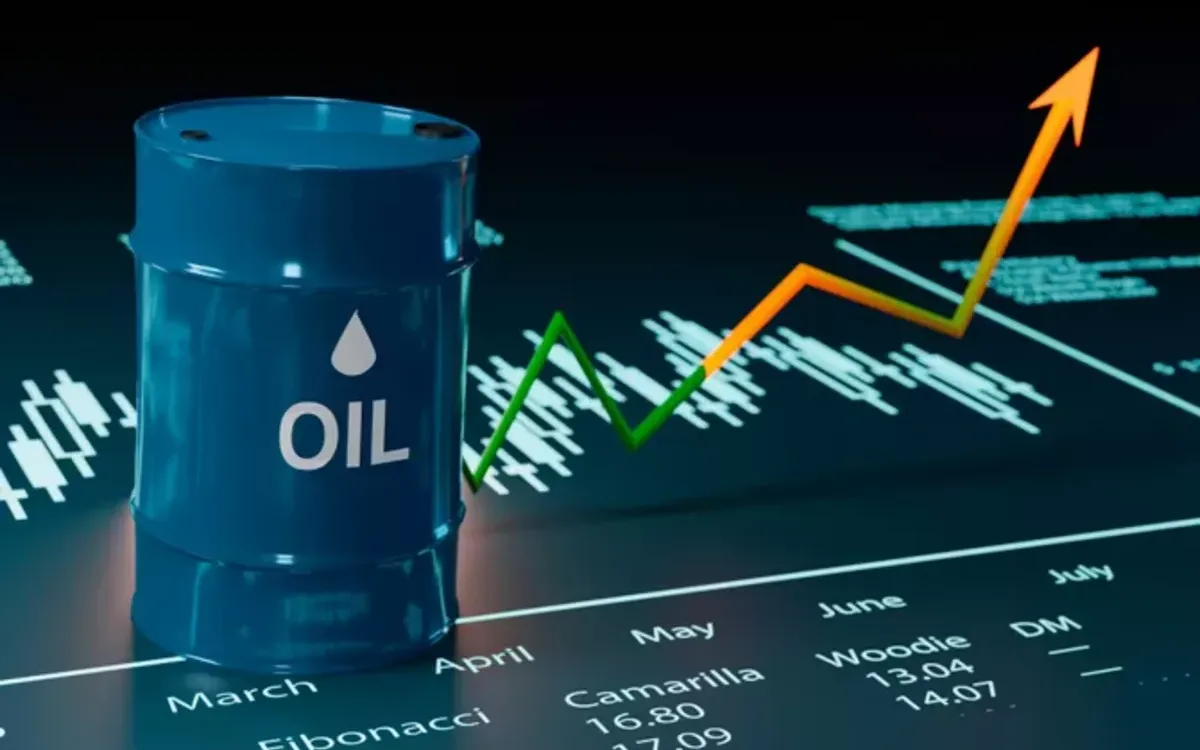
PE and PP resin are petrochemical products. Their price is set upstream by crude oil markets, which means every geopolitical shock, OPEC decision, or refinery disruption shows up directly in your production cost line — with no lag and no way to hedge it out of your material sourcing.
A different feedstock, a different cost driver
Earthya's compound is built on PLA and PBAT with ground calcium carbonate as filler — a materials base that isn't tied to the same crude oil price cycle as conventional resin. That doesn't mean the compound is immune to input cost movement, but it means your procurement risk is no longer a single-point dependency on oil markets.
What this means for procurement planning
- Diversifying your material base reduces single-point exposure to oil price volatility.
- Locking in a compostable-compound supplier ahead of a price spike is a hedge most procurement teams haven't priced into their risk models yet.
- Regulatory tailwinds (EU PPWR, Malaysia's plastics roadmap) mean the switch pays twice — once on compliance, once on cost stability.
The decision to evaluate a compostable compound doesn't have to wait for the next oil shock. Running a pilot now means the option is already validated on your line the next time crude prices move.